Water Scarcity & You: The Hidden Crisis of 2025
The Blue Gold Rush
For decades, we have treated water as an infinite resource. We open the tap, and water instantly pours out. But in 2025, that reality is fracturing. From Cape Town to Mexico City, major metropolitan areas are facing "Day Zero"—the day the taps run dry.
Climate change is altering weather patterns, causing droughts in some regions and floods in others. But the crisis isn't just about weather; it's about usage. We are using water faster than the planet can replenish it.
Most importantly, saving water is now a critical part of saving energy. The two are inextricably linked in a cycle known as the Water-Energy Nexus. You cannot decarbonize your life without addressing your water footprint.
1. The Water-Energy Nexus
Why does saving water save energy? Because moving water is heavy work.
In many countries, 20% of all electricity consumption is used just to pump, transport, and treat water. Every drop that comes out of your tap has been pumped from a reservoir, filtered, chemically treated, and pumped again to your home. Then, when it goes down the drain, it must be pumped to a treatment plant and processed again.
The Carbon Cost of Water
Saving water lowers your carbon footprint directly:
- Hot Water: Heating water for showers and laundry is the 2nd largest energy user in homes.
- Wastewater: Processing sewage releases methane and requires massive industrial power.
- The Rule: If you leave the tap running for 2 minutes, you've wasted enough energy to power a 60W lightbulb for 14 hours.
2. The "Virtual Water" We Eat & Wear
You drink about 2-3 liters of water a day. But you "eat" about 3,000 liters a day. This is called "Virtual Water"—the hidden water used to grow, process, and transport your goods.
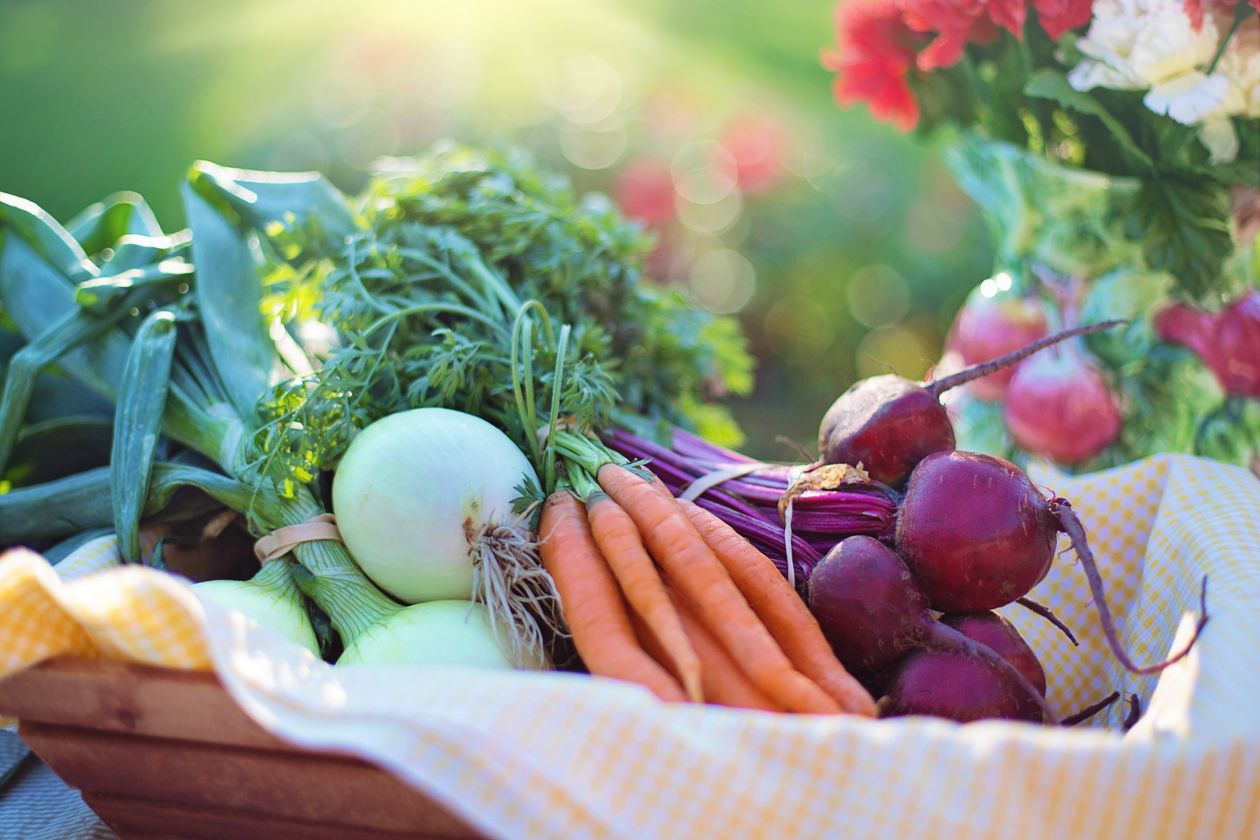
Agriculture consumes 70% of the world's freshwater. When you throw away food, you aren't just wasting calories; you are wasting the thousands of liters of water it took to grow that food.
1 Beef Burger
2,400 Liters
Equivalent to 30 bathtubs of water.
1 Cup of Coffee
140 Liters
Water needed to grow the beans.
1 Pair of Jeans
7,500 Liters
Cotton irrigation and dyeing.
1 Smartphone
12,000 Liters
Mining and manufacturing chips.
3. AI's Thirst for Water
A new and growing threat in 2025 is the water consumption of Artificial Intelligence and Data Centers. Servers generate massive heat and require continuous cooling, often using fresh water.
Recent studies show that a simple conversation with a large AI model (20-50 questions) consumes roughly 500ml of water in server cooling. As we integrate AI into every aspect of life, this "digital thirst" is competing with human needs in drought-stricken areas like Arizona and Spain.
4. Your Water Action Plan
Saving water doesn't mean taking cold showers (unless you want to). It means systemic changes in how we view the resource.
- Fix Leaks Immediately: A dripping faucet wastes 3,000 gallons a year. A running toilet can waste 200 gallons a day generally.
- Dietary Shift: Moving towards a plant-forward diet is the single most effective way to reduce your water footprint. Plants require a fraction of the water needed for livestock.
- Harvest Rain: If you have a roof, you have a water source. Rain barrels for watering gardens reduce strain on the municipal supply.
- Buy Durable Tech: Keep your phone and laptop for at least 3-4 years. The manufacturing water cost is so high that extending device life is a major act of conservation.
Water is Life. Treat it that way.
By the year 2030, water shortages may force up to 700 million people around the globe to leave their homes. Your choices today—what you eat, what you buy, and how you live—ripple outwards.
Conserving water is not just about saving money on your bill; it is about ensuring there is enough left for the future.
Calculate Your Footprint